
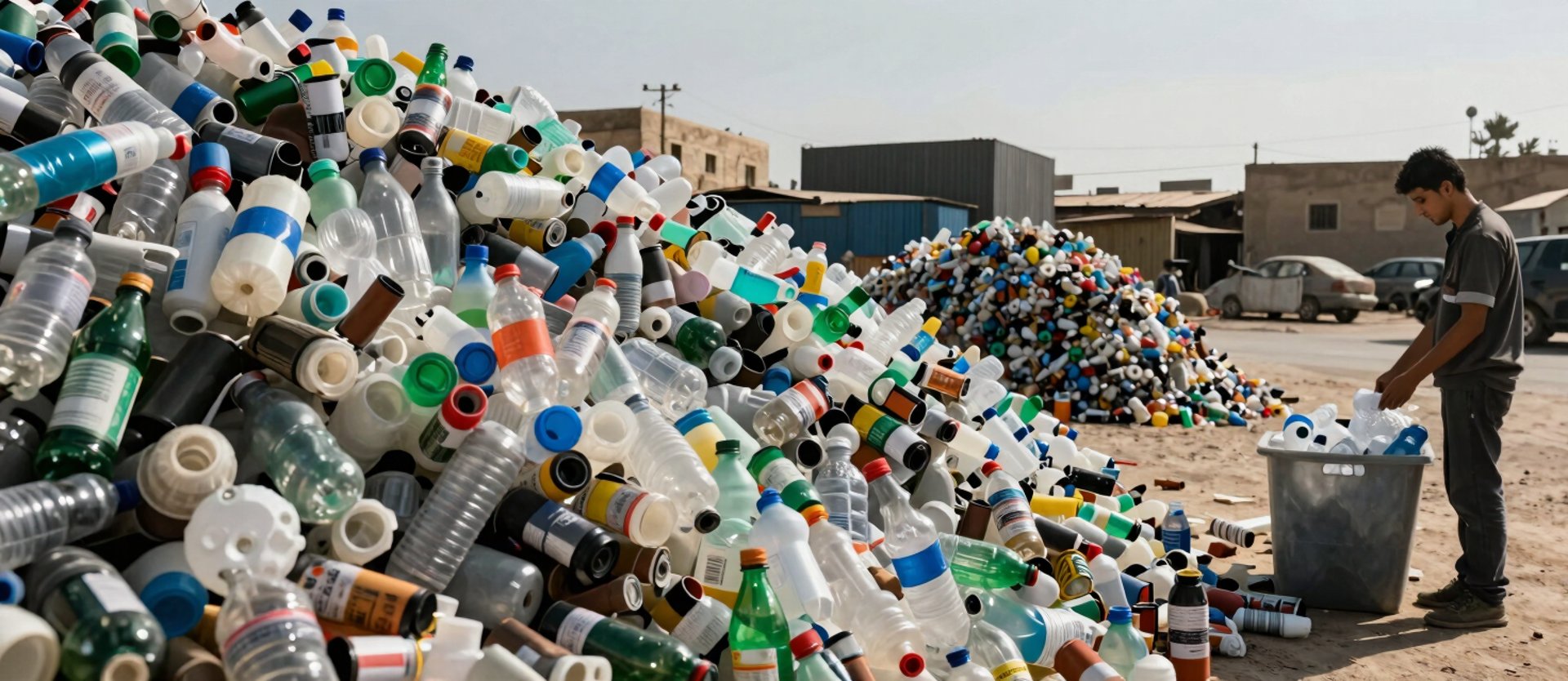
Built to answer a specific, documented crisis.
Iraq's plastic waste problem has no scalable local response. Ecorootlab is the operational answer: youth-run, logistics-first, every kilo tracked.
A local logistics answer to a national problem.
Proof over promises. Every time.
Iraq generates millions of tonnes of plastic waste annually with no coordinated recycling infrastructure. Ecorootlab was founded to close that gap at the hyperlocal scale — starting with Baghdad, built to replicate.
Transparency is not a value statement — it is the operating method. Every process step, every partner agreement, every weight of collected material is logged and available.
Youth-led does not mean provisional. The team runs defined collection routes, documented processing workflows, and active institutional partnerships — the full operational chain, accountable at every stage.
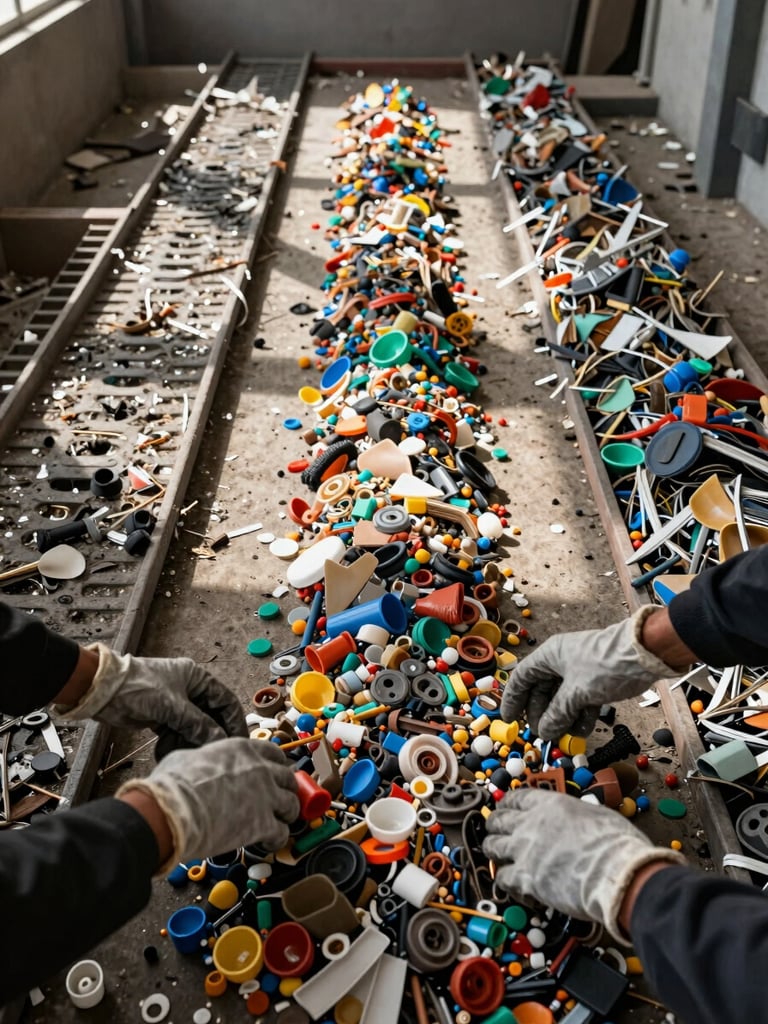
Defined roles. Real logistics. Verified output.
The team operates across three functions: collection coordination, facility-level processing, and partnership management. Each role has an owner and a measurable output — not a committee.
Current partners include universities, food-service businesses, and companies across Baghdad — each with a documented collection schedule and reported kilo count.
Collection
Processing
Partnerships
Institutional agreements with universities, restaurants, and companies — each partner has a signed commitment, a pickup schedule, and a reported impact record.
Scheduled plastic pickup from partner sites. Routes logged, weights recorded per collection, no untracked material in the chain.
Sorting by material type, cleaning, and preparation for downstream recycling. Facility-documented at each stage with output quantities tracked.