
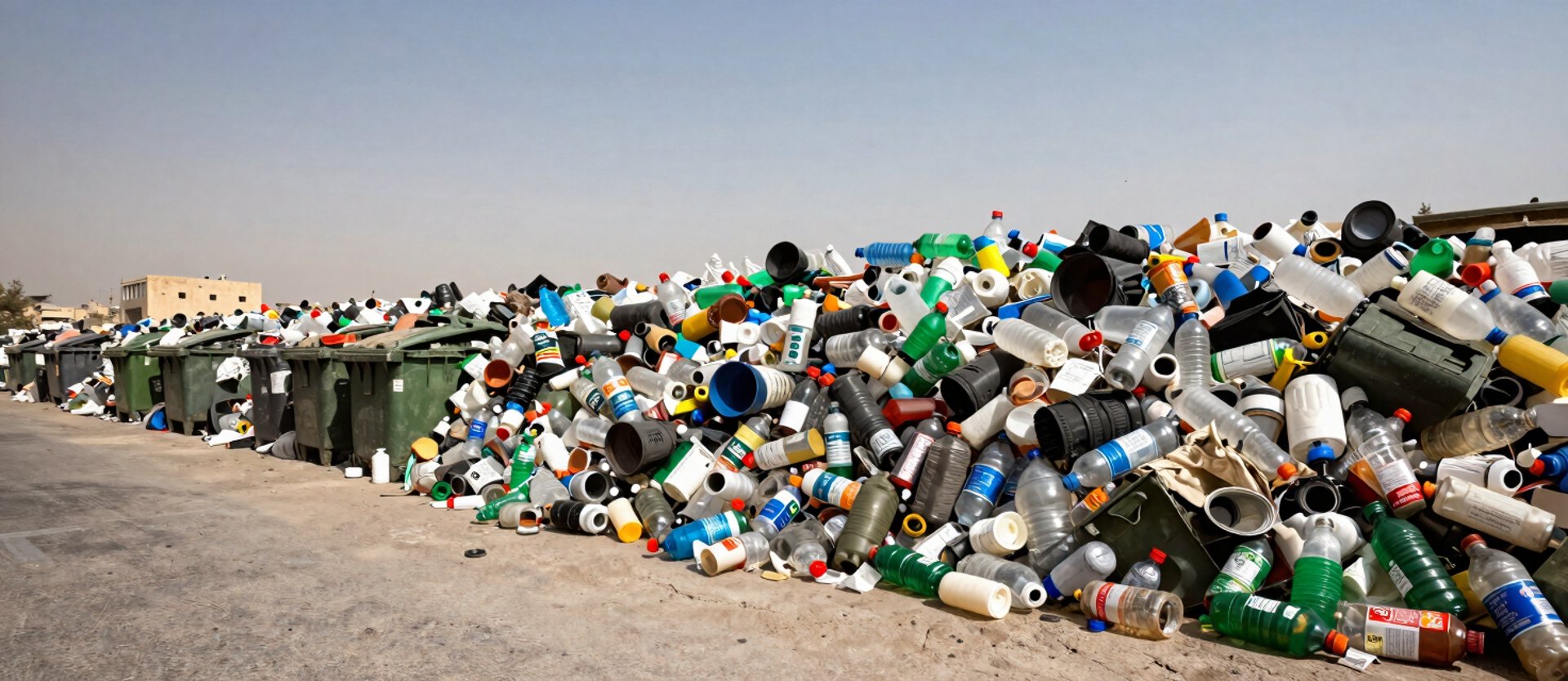
Millions of tons. Near-zero infrastructure. A fixable gap.
Iraq generates over 4 million tons of plastic waste each year. Formal recycling captures less than two percent. Ecorootlab runs the logistics to close that gap — collection, sorting, materials to market.
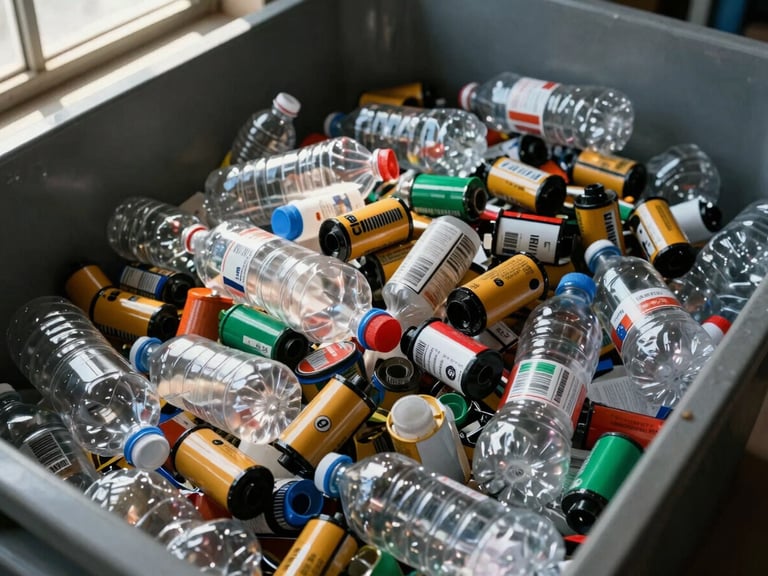
The numbers are not projections
Iraq ranks among the highest per-capita plastic polluters in the MENA region. Formal collection infrastructure covers under 30% of urban areas. Recycling facilities are virtually absent outside Baghdad.
4M+ tons generated annually
Under 2% formally recycled
Zero scaled youth-led operators — until now
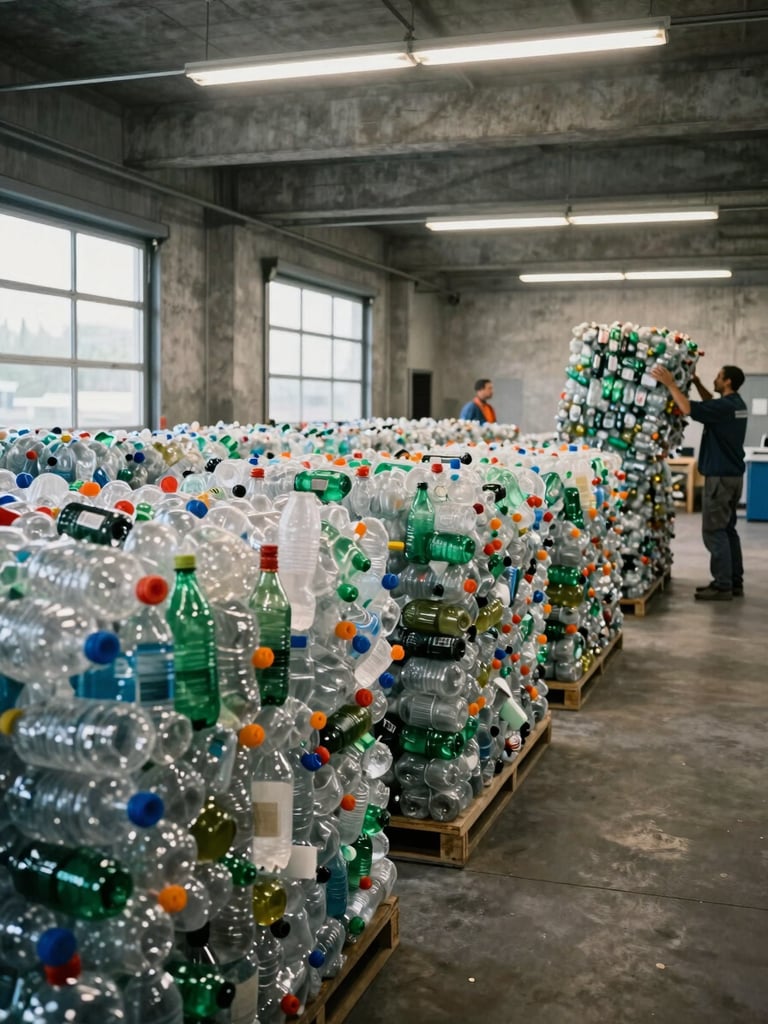
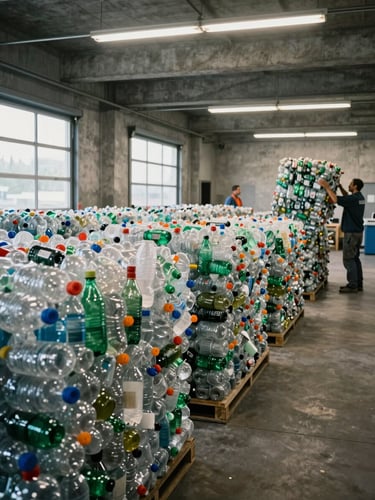
Collection. Sorting. Materials to market.
Stage one: scheduled plastic collection from partner restaurants, universities, and companies across Baghdad. No informal pickup — documented routes, logged weights.
Stage two: material sorted by type at our processing facility. PET, HDPE, and film separated, cleaned, and baled. Every batch recorded by weight and category.
Stage three: baled material moves to downstream processors and manufacturers. The chain is closed — and it is already running at active partner sites, not in a proposal.
The model is proven. The capacity is here.
Organizations and investors ready to act on Iraq's plastic problem have a direct counterpart with the process, the data, and the operational track record to back it up.